

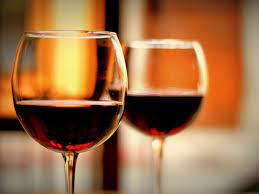
While there is much to be said about the health benefits of drinking wine every day, nothing has been written about how much it adds to your daily caloric intake. It can be helpful to know the calories in your wine if you are trying to lose weight or reduce your daily caloric intake for your health.
There are slight variations in how much wine you drink, so the calories per glass vary. Twenty-five calories per ounce is a safe estimation if you’re offered a glass and don’t know what kind it is.
A glass of wine contains approximately five to six ounces. This gives you an idea of the approximate 125 to 150 calories. You can adjust this if your preference is for a fuller glass of wine or if the dessert wine you choose has a larger portion, but it will still have double the calories.
Red vs white: Calculating Calories by Type
There is not much difference in the calories of wines sold normally, and people use to drink it. However, if you want to make healthier choices and eat less, you can choose the wine you like best.
Dry wines are generally lower in calories as compared to calories in sweet wines. If you like red wines, you should go for a Cabernet Sauvignon. If you prefer white wines, you will want a Pinot Grigio or Sauvignon Blanc. The sugar content will increase if it has a thicker body or more sweet flavour. This, in turn, can add a few calories to each glass.
Port wines can contain up to 300 calories per small glass. Brû champagne is the only 125 calories per glass if you’re looking to celebrate a special occasion with wines.
Is wine healthy?
When deciding whether to have a glass of wine, don’t forget about the calories. Red wine, and wine, in particular, have been associated with many health benefits that could make it worth the extra calories.
Wine is associated with lower incidences of certain cancers, such as breast and colon cancer. Wine’s other health benefits include a reduced risk of heart attack, longer life expectancy, and lower chances of developing cancer. These benefits may not be directly related. It is important to remember that these results are only correlational. These aren’t necessarily bad reasons to have a glass of wine.
Your diet and exercise habits are important contributors to your health.
Additional Considerations
It is important to remember that wine, as with all alcohols, slows down the body’s ability to break down fats in foods. The liver prefers to break down alcohol more than food. This means that the fat from a meal you have just enjoyed remains in your body for longer periods and is more likely to become body fat.
If you don’t drink too much wine, don’t binge, eat healthily, and exercise regularly, this is not a problem. You should avoid wine with high levels of sugar or alcohol.