

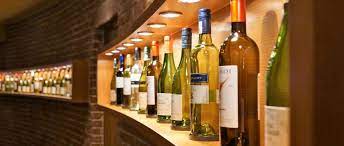
Your wine could greatly impact the wine list at a national chain restaurant. Many winemakers are still uncertain about how this happens. Is it better to first approach corporate headquarters than approaching local restaurants? What types of wines should restaurants be looking for? Sharyn Kervyn is the Wine Director at The Capital Grille, and she shared her thoughts about how to make a great wine list.
Kervyn says that it is important to remember that restaurants want their wine lists to be well-rounded and represent major wine regions. Restaurants like The Capital Grille also seek diversification within certain wine categories. They are looking for wines that can be enjoyed at a range of prices and those that are representative of different regions.
For any wine brand, the first step would be to identify “holes” and “gaps” in a restaurant’s wine list. You can think like a wine buyer and identify missing wines from the restaurant’s wine list. It is unlikely that a large, bold red wine like a Cabernet Sauvignon from California will be sold to a major steakhouse chain like The Capital Grille. Chardonnay is also included in the portfolio. Kervyn says she is looking into red wines from Spain to compliment her portfolio of Super Tuscans and Cabernets.
Kervyn advises that you always consider the type of food a restaurant serves. Kervyn says that because we are a steakhouse, Cabernets and Super Tuscans will heavily influence our wine list. As both a buyer and a wine-taster, her best advice is to pair a Pinot Noir with lamb or a Cabernet with steak.
However, not everyone will have the same tastes. Kervyn, a USA Wine Ratings representative in California, stated, “Everyone has their favourites.” It is important to be open to the possibility of finding wines that pair well with food and wines that customers want to order from the menu. If a wine is to be successful nationally, it must have mass appeal.
She teaches the staff how to sell more wine at The Capital Grille as part of her job. Kervyn says, “It’s all about reading the table.” It is important to recommend wines that will pair well with the food. However, incentives encourage customers to purchase wine at a higher price. Kervyn advises that it is important to remember the customers’ tastes. It won’t be a winning strategy if you recommend wines that aren’t compatible with their needs.
Creating a strategy to get your wine on the wine list at a national chain restaurant is possible. First, it is important to look at the current wine list of your restaurant and see how you can fill in any gaps. It would help if you also focused on wines that complement the main menu.
Kervyn advises, “Start small, especially when you are small.” It’s better to start small, especially if you are a newbie. Kervyn says, “Get into a few places first, and then build momentum.” Once you have done this, you can access the main database. This makes it easier to get the attention of corporate headquarters. Corporate HQ can see that your wine has been doing well in your local market. This could mean your wine could have a national breakthrough moment.
Capital Grille, only 25% of the wine menu is core. This leaves a lot of space for smaller wineries to be included on the wine lists. You can increase your chances of wine being included on a restaurant’s list by knowing more about the local tastes and client base.