

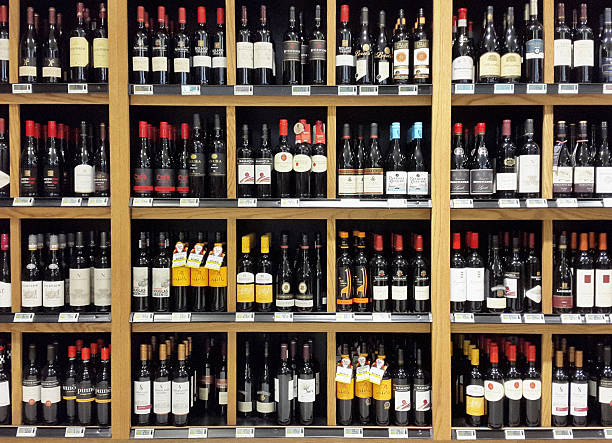
A boutique wine shop is the best resource for anyone interested in wine. Boutique wine shops provide personalized services that keep wine culture alive. Wine masterclasses and wine tastings are a way to bring together the wine community. Boutique shops offer a wide range of wines that are difficult to find, as well as a platform for wines of lesser-known quality and unknown names that will spark your curiosity.
They also invest in intuitive salespeople who can make precise recommendations to help you navigate your wine journey.
Boutique shops are an ideal place for niche, small-scale producers. These are some simple strategies wine reps and wineries could use to sell their products effectively and successfully to boutique stores.
Effective Pricing
Retail space is highly competitive, high-cost, and thinly regulated. Boutiques are often located in high-end locations with limited space and rent. Online and delivery services are becoming more popular. Higher costs are associated with web hosting, credit card processing fees, delivery vehicles, drivers and insurance. A wine buyer will seek robust margins to cover these costs. A standard benchmark margin of 33% for buyers to remain interested will suffice. Any higher gives buyers more incentive to buy your wine. As a wine representative, I sold a 95 Point wine at $25 to a retailer. He could sell it for $50, while the competitor was selling it for $55. Because the product met all the criteria, he sold 10x more cases than he estimated.
A good sales pitch is essential.
Boutiques are built on relationships. Be prepared to spend your time and do your research. Although stores like to have a wide selection of products, there are always gaps or new products. You can look at the options and find something to fill the gap or add to their product line. It could be a Lodi Zinfandel for $12 or a Burgundy for $120. Second, be prepared to sell points that will pique buyers’ interest. How do you tell the story of your vineyard? Are there any wineries or winemakers that surround your vineyard? What is your wine’s performance in the domestic market? Is your wine grown on soil from an active volcano that produces those wines? Wine sales can be helped by stories, especially in boutique shops where there is a lot of human connection.
Another important aspect is to know your wine buyer and their ordering history. Let’s say the buyer only sells wine they know about, such as Sancerre, white Burgundy and rose, or Oregon Pinot. It’s better not to sell less-recognized varieties, regions, or styles in your entry pitch.
Offer Exceptional Services
Boutique stores need to be able to provide excellent service. You can build a relationship with buyers by visiting the shops regularly and staying in touch. Get feedback about how your wine is performing. Recommend new wines. Visit the stores regularly to check out their placements and visibility. You can follow up on pending orders and swap bottles in the event of vintage variation. Reminding the team about wine each visit, and training them regularly, will help keep your wine knowledge fresh and allow them to be confident when presenting your wines to customers. A wine representative should improve their skills and reduce errors. Buyers don’t want to be given more work.
Continue to Support
Boutiques are bustling, and customers need to be engaged. Representing your wine in the store is a great way to show support. Make time to offer wine to customers in the store. You can talk about your brand, offer a tasting or host an event. Experiences sell wine. Online retail has seen boutiques work hard to improve the functionality of their online shops and websites. Online shoppers easily access staff picks, curated wines and curated cases. These curated lists can be accessed by extending marketing support, stock support and merchandising. This will help increase sales.