

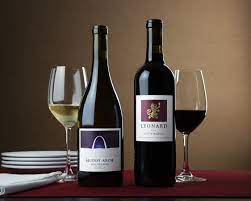
Wine companies can’t just make the best wine. They also need to communicate their brand to customers effectively. Branding has been reconnected to storytelling. These stories tell the story of the product to attract customers.
These innovative marketing and publicity strategies resulted in brand equity, emotional marketing, and experiential marketing. The goal was to reach and influence new consumers. These new marketing strategies represent a shift from product-centric marketing to brand-centric marketing. Brand-centric marketing aims to build trust between customers and the company through authenticity, integrity, and image. Most people buy wine based on the label on the bottle. Your winery’s brand must reflect this. The wine label should include all information necessary to inform customers about the wine, including the origin, target customer, notes and appropriate setting.
Final Call: Submit Your Wines before June 30
You can be a small-scale winemaker making limited batches for you and your friends or a large-scale winemaker trying to sell your product. Or you can be a graphic designer responsible for designing wine labels. It is crucial to tailor your marketing strategies to your brand while keeping your wine in their hands.
Here are some reasons to help you understand the importance of branding and marketing in the wine industry.
Marketing
Marketing is a key component of every industry. Marketing is the science of integrating research, innovation and communication to meet the needs of a target audience. Marketing is responsible for measuring and quantifying the market base and tapping into its potential. It can be difficult for companies to succeed without a solid marketing strategy. Without a marketing strategy, a product can’t be released. This plan is based on data collected from companies that understand the importance and value of marketing. Many businesses, especially the wine industry, don’t consider marketing crucial to their success. A plan is essential to reach potential customers for even the most expensive products. No one will buy a product if it doesn’t make sense to them.
Labelling is an important aspect of marketing. Labels use a variety of elements to tell a story or represent a brand. Three design elements that significantly impact a customer’s perception are colour, graphics, and typography. The design of a wine label conveys more than just the wine’s age, country, and variety. It can evoke emotions, recall memories and even affect the wine’s flavour. The label communicates the wine’s message to the consumer before it is opened.
Yellow Tail’s success is largely due to the wine company’s marketing efforts. The company failed to match European wines, traditions, and high quality when it tried to enter the American market. They devised a remarkable marketing strategy. Yellow Tail created its niche and market, which helped them avoid being overtaken by the competition. The company began to attract younger wine connoisseurs and wine drinkers who don’t care about showing off their knowledge of wine body, aroma, ageing characteristics, and other characteristics. Their goal was to create an exciting, affordable product. The label is simple, with one Yellow Kangaroo, similar to reds or whites. The upper portion of this label can vary in colour depending on what grape was used.
Branding
A professional-looking and visually appealing wine branding logo, label, colour palette and bottle selection make a good first impression. Many modern winemakers prefer to use bold art, vibrant colours, and sans serif fonts to create a distinct yet simple style. Traditional brands prefer to use classic designs like wordmark logos and classic iconography. Wine branding goes beyond label design. The small details of the bottle can influence a consumer’s perception of your brand. These include its shape, cork, and screw top. The packaging of wine can indicate where it belongs on the market.
When it comes to wine branding or any other type of branding, consumers’ perceptions are crucial. This is why corks still find their way into many wines. Identifying your ideal customer profile is essential to brand any product successfully. You need to know your ideal consumer if you want to sell wine to them. Once you know your wine buyers, you can create a brand identity that will attract them. This involves choosing a correct font, selecting a colour scheme that appeals to your customers, and creating a label that draws them in from the shelf.
Final Call: Submit Your Wines before June 30
Toro Albala makes branding a key part of wine company operations. One of the most sought-after wines in the world is Don PX Convento Seleccion from Toro Albala. These bottles can be as old as 80 to 100 years, making them very valuable. Toro Albala presents the wine in a wooden case with a hand-engraved label. This wine’s label features old handwritten messages. It pays tribute to the region’s heritage and history. Their 2014 vintage, a historic wine, keeps every trade secret of the artisan as it follows the same production process. The wooden crate, which stores the wine, contains more information about the selection process. They do everything possible to get the attention of their customers. The label is large and bold with very little white space. The label is bold and has little white space. This indicates that it was hand-signed by the manufacturer. Each bottle has a wax seal, and the cap is glass.
Storytelling
Wine is a drink that has a poetic quality no other beverage can match. Each bottle has a rich and long history of grape fermentation that spans generations. Wine has been enjoyed in ancient Greek courtyards, in royal palaces of Kings and Queens, and in everyday households worldwide. There are many winemaking methods available today, both traditional and modern. This makes it easy to keep customers interested. Storytelling is essential for wine brands to engage their customers and promote them. Wine brands can create an emotional connection between wine and wine by telling stories. It creates an image of the product’s origin in customers’ minds.
To make customers feel connected, you don’t have to make them nostalgic. Humour is another powerful way to connect. Your brand’s credibility is enhanced by sharing your story. It ensures they have high-quality products that do not compromise on style. A label design’s story isn’t limited to sophisticated, cutting-edge graphics. No matter if you use estate or classic typography, there is always a compelling story that you can tell your customers.
New brands must make waves in the market to get noticed. When they launched Mommy’s Time Out wine, manufacturers knew who they were targeting. Mothers around the world should relax and take a vacation. This brand promotes that you can enjoy Mommy’s Time Out wine. The wine’s affordability is evident in the simple packaging that tells a story about every mother. The perfect image of a mother relaxing with glass and her feet up is captured on the label. The mother rests in her chair with a “Do Not Disturb” sign, while the walls surrounding her are covered in children’s art. Every mom needs a moment of silence and time-out when things get difficult. This is an excellent example of how a company can use a situation as a label to tell stories and send powerful messages.