

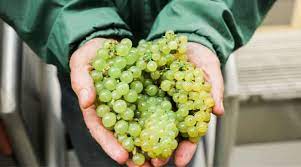
Chardonnay grapes reflect their terroir and produce some of the most memorable wines in the world.
Many wines suit every wine lover, from the lighter, crisper Old World wines to the rich, tropical Chardonnays found in New World regions such as Napa Valley. This article will explore the main Chardonnay wine areas and their terroir. We will also examine the process of Chardonnay being made, their characteristics and tasting notes and a brief historical history of this popular grape variety.
France
Chardonnay is the second most popular white wine grape variety in France. It can be used to make blends as well as varietal wines.
These French regions are home to the Chardonnay grape.
- Champagne Chardonnay: This is the most prominent grape in the Champagne mix, which also includes Pinot Noir and Pinot Meunier. It can also be used in the single varietal Blancs de Blancs sparkling wine style.
- Burgundy Chardonnay is produced in eight Grand Cru vineyards of Burgundy. Burgundy produces some of the finest terroir-driven Chardonnay wines ( White Burgundy).
- Chablis Chardonnay is the sole grape grown in Chablis. Chablis Chardonnay white wines are called ‘Chablis’. They are crisp, fresh and have a characteristic green-apple-like acidity.
Italy
For a long time in Italy, Chardonnay was confused with Pinot Blanc. Today, Chardonnay is sometimes produced as a varietal white wine, mostly blended with other grapes like Albana, Chenin Blanc, Cortese, and Verdeca. It can even be found in a Rose wine blend made with Nebbiolo.
Chardonnay is mainly planted in the northern regions of Italy. However, it can also be grown in southern Italy in both Apulia.
The USA
The US is known for its rich Californian Chardonnay, with dominant citrus and tropical fruit flavours. Some Sonoma county regions like Alexander Valley produce an unoaked Burgundy style of Chardonnay.
Grapes are also grown in Texas, Arizona, Michigan and other wine regions.
Australia
Chardonnay was first imported in Australia in 1832, but the grape variety became popular only in the 1950s. Today, it’s the third-most-popular grape variety in Australia, right behind the red wine grapes Shiraz and Cabernet Sauvignon.
Australian Chardonnay is versatile.
Adelaide Hills, for example, produces a Burgundy-style wine, while the cooler regions in southwestern Australia produce Chablis Chardonnay.
New Zealand
In New Zealand, Chardonnay remains the most planted white wine grape right after Sauvignon Blanc. Most of the country produces oaky Chardonnays. But the east coast of the northern island produces unoaked Chardonnay with emphasis on the wine’s freshness and acidity.
Other wine regions
Other Chardonnay wine regions include Greece, Lebanon, Israel, Austria, England, Germany, Spain, and Switzerland.
India and Uruguay have seen an increase in Chardonnay plantations over the past few years.
Chardonnay Grapes: Characteristics and Taste
Chardonnay has a versatile taste and aroma profile. Its characteristics are often defined by its wine region, the grapes’ ripeness at harvest, and the winemaking techniques:
- Unoaked Chardonnay – The addition of oak imparts wine vanilla, butter, caramel aroma notes. Oaked Chardonnay has a richer, more balanced palate. On the other hand, Unoaked Chardonnay has a more acidic and leaner palate. It is similar to Pinot Grigio or Sauvignon Blanc.
- Warm vs Warm vs Cold climate Chardonnay. Chardonnay’s warm climate is sweeter and full-bodied, with more tropical fruit flavours and higher acidity. Chardonnay from cold climates is lighter, vibrant, and has more mineral notes. It also has a citrus-fruit flavour profile.
Chardonnay’s distinctive flavours can also differ depending on where they are grown. A California Chardonnay or Napa Valley Chardonnay will have dominant pineapple flavours, while a Chablis-style wine may have more green-fruit flavours.
Chardonnay Vineyards and Terroir
The Chardonnay vine thrives in chalk, limestone, and clay soils (similar to the soils in its homeland – eastern France.)
The Chardonnay vine yields a high yielding crop, but premium Chardonnay producers limit their yields to 2.5 tons/acre to preserve the grape’s quality.
The grapevines in most Old World vineyards are subject to aggressive pruning to “shock the vine”. This prevents budburst from occurring until warmer weather arrives and protects the fruit against frost, powdery mildew, and millerandage.
Let’s now see how Chardonnay wine gets made.
Chardonnay Winemaking Techniques
Most Chardonnay wines go through the following winemaking process:
- Fermentation – After grapes have been pressed, they are moved to fermentation tanks, where grape sugar is converted to alcohol.
- Malolactic ferment Oaked Chardonnay is subject to an additional step – Malolactic fermentation. The winemaker uses malolactic ferment to convert the hard, tart-tasting malic acids in the grapes into softer, sweeter lactic acid (MLF). This gives the wine a butterier mouthfeel.
- Ageing – For oaked Chard, the winemaker has two options: either they can introduce oak at the fermentation stage, or they can age the wine in oak barrels. Unoaked wines are aged in stainless-steel tanks.
Chardonnay can often be subject to Battonage, which adds settled lees to the wine. This is dependent on the wine style and region. Cold fermentation produces wines that are more topically oriented.
Depending on the wine region, winemaking techniques may also vary.
- The Old World regions such as France and Italy favour wild or ambient yeast to create crisp, aromatic wines.
- The new world regions like Australia, North America and Canada heavily use oak to make sweeter wines with vanilla flavours.
Next, let’s take a look at the history and production of Chardonnay grapes.
Chardonnay Grapes: A Brief History
Chardonnay’s exact origins remain unknown.
The grape was believed to have originated in the Middle East and was brought to Europe by returning crusaders. Some believe a wild Vitis vinifera grape also influenced the white Muscat grape.
Modern DNA research at UC Davis has shown that Chardonnay crosses Pinot Noir grape varieties and Gouais Blanc grapes.
Chardonnay grapes were often mistaken for Pinot Noir because the leaf structure and shape of the vines was similar. This confusion was especially prevalent in northern Italy and certain regions of France, where both grapes grew together in vineyards and were blended in winemaking.
A Fine Bottle of Chardonnay can be added to your wine collection!
Chardonnay grapes can be used to make various wines around the globe. They are versatile and rich.
There are many Chardonnays to choose from, including affordable and easy-to-drink.