

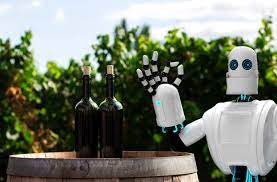
Artificial Intelligence (AI) has the potential to revolutionize the wine industry in the next ten years. AI applications in the wine industry are currently limited. However, AI promises to become an immersive technology embedded in every aspect of our lives. A growing number of wine experts believe that AI could significantly impact everything, from how we purchase wine to how we grow grapevines in the vineyard to how we judge wine.
The Internet has transformed the wine industry in the last two decades. It profoundly impacts how we learn about wine and how we order wine online. The Internet is a preview of coming attractions. Just as the Internet has profoundly impacted the wine industry, AI promises that it will have a similar effect.
The rise of virtual sommelier
Artificial intelligence can already recommend the best wine for a particular dish. This type of “virtual Sommelier” functionality will only increase in the future. You can see how AI-powered virtual assistants in the home, such as Amazon Alexa and Google Assistant, are changing how we search online for wine.
Machine learning is a powerful tool that allows algorithms to learn your preferences and tastes and then compare them against various search results. Artificial intelligence-powered virtual sommeliers will know your preferences so well that they can recommend the best wine for you. You can access the virtual sommelier from your smartphone. Imagine you go to a restaurant and then call up a mobile app that will make wine recommendations for you. Once you have told the app what dish you want to try, it will do this.
The AI shop assistant
This same AI-powered recommendation engine could also significantly impact the future of retail wine sales. Instead of talking to the sales staff at your local wine shop, you might interact with an AI-powered robot that roams the aisles and is eager to share its knowledge. This AI-powered robot will be most popular in Asia, particularly Japan, where it is not unusual to meet helpful robots in a consumer-facing setting.
Drones and robots in the vineyard
What about AI’s role in wine production before it reaches the shelves of a wine shop? Some winemakers have already begun experimenting with AI-powered machines that can assist them in managing soil issues. In a decade, autonomous flying drones will fly overhead and inform grape growers which vines must be watered. They can also help with soil problems. Some wine experts believe robots could do all the work on the vine, allowing the head winemaker more time to develop innovative winemaking methods.
AI-powered wine judges and critics
AI breakthroughs have made it possible for humans to see robots near them. Imagine how AI-powered algorithms recognize speech and language and how computer vision can see the same things as human vision. AI-powered bots may soon have a sense of taste that is comparable to or even better than that of human wine critics. Imagine how this will disrupt the wine industry when robot reviews are considered superior to human reviews.
We have seen this dynamic in action thanks to the Internet. The Internet’s “hive mind”, gathering reviews, ratings, and comments from thousands of people, are considered a better indicator of how good wine will be than the formal wine column. In the future, we might not be discussing 90-point reviews by a respected wine critic like Robert Parker. We might instead be discussing 90-point reviews from Google or Amazon. Robot tasters can taste hundreds of, if not thousands of wines, in just a matter of hours, which could transform entire tasting competitions.
Climate change and artificial intelligence
Climate change will have a major impact on the wine industry. This will create a need for experts who can help adapt to rapidly changing climate conditions. What happens when wine regions known for their temperate climate become hot and dry? Or when a cool and dry climate becomes hot and humid? We can already see wine experts emerging in places previously considered out of reach of winemaking. Are Greenland and Iceland possible to soon have flourishing vineyards if the polar ice cap melts? Are our wine regions along the coast at risk from rising water levels? Winemakers may need to use sophisticated AI algorithms to answer these questions. These algorithms might be able to advise them on how to adjust growing conditions to adapt to climate change.
Artificial Intelligence and New Consumption Patterns
AI could have unexpected effects on the wine industry. If autonomous cars and self-driving vehicles replace traditional vehicles and cars, that could have a dramatic effect on wine consumption. AI-powered algorithms could be your designated driver, so “drinking and driving” wouldn’t be an issue. Many believe that cars could become rolling entertainment centres, with people listening and playing video games and drinking wine while travelling from Point A to Point B.
The future of AI is certainly exciting. The future of AI will impact every aspect and aspect of wine consumption. It will also change the way we talk about wine and buy wine. AI could also change the way we package wine and market wine. Imagine a future where AI-powered Amazon drones drop a bottle on your doorstep. After you have agreed to an AI-powered Amazon Alexa recommendation, you can enjoy the wine with some of your closest robot friends.