

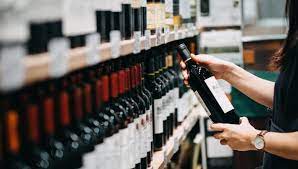
Wine bought in bond is kept in an authorized bonded storage facility. It has not been through customs, and the duty and VAT (Value Added Tax) have not yet been paid.
You cannot deliver them until they have been paid. If you sell your wine while in bond, you won’t have to pay any VAT or duty taxes.
This makes wine-in-bond an intelligent way for smart investors to add prestigious vintages to their portfolios and earn a profit.
Let’s look at the advantages of buying wine from a bond and the differences between out-of-bond wines.
What are the Benefits of Wine Purchases in Bond?
Wine bonds are a popular way to purchase En Primeur or other wine bottles for investment.
Bond wines offer many benefits, including:
- Secured storage for investing wines
- Deferred Duty VAT and Taxes
- Tax Savings
- Proven Authenticity
Secure Storage for Aging Investment Wines
To be considered a Bond Wine, it must be kept in a licensed bonded location, such as London City Bond or at other professional storage facilities.
These bonded wine cellars provide ideal storage conditions. These bonded wine cellars will ensure that your investment bottles age well and increase in value so you can sell them later at a profit.
Deferred VAT and Duty taxes
When you buy wine in bond, payment of VAT and duty taxes are deferred. You’re only liable for the VAT and duty taxes when you withdraw your wine from the bonded warehouse.
These taxes will not be due if you sell wine while in bond.
Tax savings
If you have your wine removed from the bonded warehouse, the VAT you pay will be calculated on the wine’s original price.
Even if wine prices rise, VAT will be charged on the original bond price of the wine and not on the current market price. (This could be higher than the initial bond amount).
This can lead to significant wine savings, especially if you buy wines that have been praised by critics such as Robert Parker or Neal Martin.
These wines are generally very good over time.
- Chateau Mouton Rothschild
- Chateau Angelus
- Harlan Estate (owned and managed by H William Harlan).
Proven authenticity
Proving the provenance of in bond wines is easier.
Why is it important for fine wine investors?
A prospective buyer buying wine to make a profit would want to verify the wine’s authenticity before purchasing. The buyer can trace the wine’s origin back to the warehouse if it is a bonded wine.
It’s much easier to demonstrate this with bond wines.
- The wine was purchased directly from the winery.
- The wine was kept in a secure, bonded warehouse and stored under perfect conditions.
This makes the wine more appealing to potential buyers, such as an auction house or wine merchant.
Buying Out-of-Bond vs. Buying in Bond
When buying wine as an investment, keep in mind the following:
- Bond wines have better aging potential. For example, investing in a glass of red wine like Cabernet Sauvignon will likely soften tannins, often very concentrated in red grapes and too harsh if they are too young. It will also smoothen the texture and bring out the wine’s dark fruit flavors. This flavor development will be more likely if the wine is kept in a climate-controlled, secure warehouse.
- Excessive shipping – In bond wines can be shipped too often between bonded warehouses, causing damage during shipping. Label damage can also cause the wine to lose its value.
- Buying wine for consumption If you buy wine for personal use, it is best to purchase out-of-bond to avoid additional storage fees at a bonded warehouse.