

Are you unsure which white wine glasses are best?
The right glass can make all the difference in realizing the full potential of your Semillon or Chardonnay wine and just drinking it.
What are the benefits of choosing the right white wine glass?
It has been shown that different glass shapes can affect the density of ethanol vapors in wine. These vapors are what bring out the wine’s wonderful bouquet of flavors and aroma.
You can either get a universal or all-purpose wine glass such as the Zalto deck art Universal Glass to enjoy your favorite whites. You could be missing out on the wonderful wine experience winemakers create.
Good varietal glass can make all the difference.
Here’s how to choose the perfect white wine glasses.
There are many types of white wine glasses.
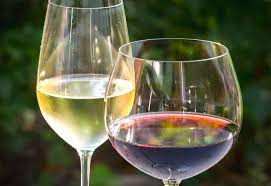
White wine glasses have a smaller bowl than red wine glasses to preserve and deliver more aromas, keep the temperature down, and show the wine’s delicious acidity.
Full-bodied wines, such as Viognier and Chardonnay, are best served in a white wineglass with a larger vessel. The larger bowl is used for white wine and was initially introduced by Riedel to emphasize the creamy texture.
Find the perfect white wine glasses to match different types of white wine.
Chardonnay Glass
The Chardonnay wine glasses are generally more upright and have a U-shaped shape. They are also smaller than the Pinot Noir glasses. Chardonnay glasses have a slightly wider opening, making them the ideal glass shape for white wines younger than ten years old.
This white wine glass has a wide bowl that allows for adequate aeration. It does not lose the aroma’s concentration. It also preserves the sweetness and acidity of the palate.
The wine will be directed to your palate by the larger opening. With every sip, you can taste the sweetness in the white wine glass.
You can also use the Chardonnay glass to serve your favorite Pinot Grigio or Pinot Noir, Viognier, and Chenin blanc.
Wine Glass for Sparkling Wine or Champagne
The openings of Champagne glasses and Sparkling wine have narrower than regular wine glasses, and they are also upright. Champagne flutes are also known as wine glasses. They allow the champagne bubbles to interact with your tongue and keep the fizz alive for longer.
A sparkling wine glass with a smaller opening will allow you to taste the sparkling wine right away. You will be able to taste the sparkling wine right up to the tip of the tongue by the opening.
The shape of the sparkling wine glasses also helps to guide the aromas towards the top. Your Champagne glass will not tip over because it has a wider base.
Wine glasses for sweet white wine
Glassware specifically designed for sweet wine (dessert wines) will also be available.
This glass is smaller than most white wine glasses and sometimes called Sherry glass. It is easier to swirl the wine with the tapered rim without spilling or splashing.
The Sherry glass has a smaller opening that allows the dessert wine to reach the center and back of the mouth. This ensures that the sweetness of the wine does not overwhelm your taste buds and gives you the pleasure of sweet wines you can enjoy with every drink.
Dessert wines are more alcohol-rich than other wines, so smaller portions and smaller glasses make them perfect for after-dinner drinks.
Antique Wine Glasses For Your White Wine
Although antique white wine glasses are charming, they don’t enhance the wine’s flavor or aroma.
You can choose from plain or leaded glass. Although they are more expensive, the leaded crystal glasses can be a great way of adding personality to your barware collection.
Rose Wine Glasses
There are two types of Rose wine glasses: those with tapered rims and short bowls and flared lips and a shorter bowl.
These glasses can be used for both long-stemmed and short-stemmed roses. However, a glass with a flared lip is better if you serve a younger rose. This will increase the sweetness of your wine. A glass with a tapered edge is best if you intend to serve older Rose wines.
Let’s now examine how different parts of a wine glass impact your wine tasting experience.
Anatomy of a White Wine Glass
Wine glasses are more than glassware for pouring your favorite white wine into. It comprises four parts: the stem, vase, bowl, and rim.
The base stabilizes the glass while the stem extends it and provides wine lovers with a safe place to hold the glass.
The most important feature of the wine glasses is the bowl. It sits on top of the stem. The wine glass bowl should be large enough for you to swirl the wine easily but small enough to retain the wonderful aromas.
There are many sizes and shapes of bowls. The “U”-shaped white wine glasses you use to serve white wine help release its aroma and cool it down. Champagne flutes are used to serve sparkling wine and champagne. This helps preserve the bubbles for a longer time.
Red wines with a full-bodied aroma, such as Cabernet Sauvignon, require more space to breathe and release their aromas. Red wine glasses with a larger area and bowl, such as a Burgundy-style glass, are best.
The rim is the uppermost portion of a wineglass’ bowl. It should be elegant and thin so that it does not distract wine drinkers or stop wine from flowing from the glass.
Thicker rims may indicate a lower quality wine glass. This can cause wine drinkers to be distracted from the whole experience.
Let’s examine the differences in the anatomy and function of red and white wine glasses.
There is a difference between white and red wine glasses.
The wine you will be serving will determine the shape of your wine glass. The main difference between shapes is the structure of both the stem and the bowl.
- Bowl A white wineglass has a smaller bowl than a red grape glass. A white wine glass bowl will be smaller and more narrow.
A red wine glass like the Bordeaux, Burgundy, or Pinot Noir glass has a unique shape. This glass has a wider bowl that allows the wine to be aerated – ideal for Merlot, Zinfandel and Cabernet Sauvignon.
On the other hand, a white wine glass has a smaller bowl that allows the wine-lover to touch the wine to get the aroma.
- Stem – One of the most distinguishing features between white and red wine glasses is their length.
The stem of white wine glasses has a longer length, which allows for more space between your hand & the wine. This distance helps you avoid accidentally heating the glass or altering the wine’s temperature.
Stemless wine glasses (wine tumblers) can also be used. They have similar bowls to stemmed wine glasses, but they have a broader rim. However, a stemless wine glass is better suited to red wines because it isn’t temperature sensitive.
Stemless wine glasses work well for large groups because there’s less chance of them being broken.
Are you ready to purchase the perfect white wine glass?
Before you swipe your credit card and buy a set of white wine glasses, here are some things to think about.
Here are 4 more tips to help you choose the perfect white wine glass
Before you get lost in the middle of the different wine glass sets, try to choose between the Riedel Vinum and Riedel Veritas gift sets – here are some things to consider.
1. Schott Zwiesel and other well-known brands may have lead-free crystal wine glass options. It doesn’t matter whether you choose plain wine glasses or crystal wine stemware, as long as it doesn’t alter the flavor of your red or white wine.
2. You should consider whether your drinkware is dishwasher-safe and whether your stem wine glasses can fit in your dishwasher. These are where stemless wine glasses can come in handy.
3. A universal glass might be right for you if you like to drink a variety of red and white wines each day.
4. It doesn’t matter whether your stemware was made in China or New York. You will enjoy the full wine experience if your stemware has the correct shape bowl for your varietal wine.
If you prefer Burgundy Cabernet to a dessert wine, you may use a Bordeaux or Burgundy wine glass to pour your red wine. To soften the tannins, aerate your wine using a decanter.