

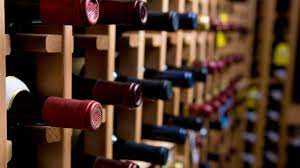
You don’t want the wine to spoil before you have a chance to enjoy it. Some wine lovers don’t have the luxury to keep their cellars. If you do, send us a picture! It’s essential to learn how to preserve your wine until it’s ready to be enjoyed.
These 5 Dos and Don’ts for wine storage are the best way to ensure you’re not doing any damage to your stash.
DO: Keep your wine chilled.
Yes, your wine should be stored at room temperature. Wine will age faster if it is exposed to high temperatures. You’ve probably left a bottle in your car and wondered what it tasted like. This is an extreme example, but, indeed, room temperature wines don’t have the opportunity to express their full potential and taste duller than if they were chilled.
DO NOT: Wine should not be kept in the refrigerator of your kitchen for too long.
Many believe that wine should be kept in the fridge to solve the temperature problem. However, this is not recommended unless the wine is stored in a wine refrigerator. The average kitchen fridge is too cold to preserve your wine. It also slows down its development and dries out wine’s cork. Did you ever leave a tomato unprotected in your fridge? Notice how quickly the tomato shrinks in a matter of days? Your kitchen refrigerator does not retain humidity like a wine fridge. For corks to perform their task properly, they must remain moist. A dry cork can lead to a wine with a musty, musty smell.
DO: Keep your wine safe.
It may be beneficial for wine, but keeping your wine in an upstairs closet is not practical or practical. Whether it’s open or closed, wine is intended to spark conversation and bring people together. It is important to keep wine handy and readily accessible to be opened and retrieved easily.
DO NOT: Keep your wine in the top part of your fridge.
While convenience is important, preserving the wine’s integrity is also important. While it may seem like the best place to store your bottles (I can’t count how many houses I’ve seen this), it’s one of the worst places to keep them in your home for three reasons. Think about all the vibrations your refrigerator emits when it turns on and off, when the icemaker spits out water, when the compressor cycles, when the compressor is turned off, and when the compressor is switched off. Without too much detail about chemistry, vibrations can alter the wine’s aging and taste. Your refrigerator also emits heat. A compressor and other internal components work hard to keep the interior cool. This heat can be quite significant. Do you feel the refrigerator’s top? It’s warm. It’s warm. Although this may not be true for everyone, it is a bad place for wine. Your wine can be prematurely aged by light bulbs that emit a lot of heat.
DO NOT: Keep your wine upside down.
Cork moisture. You won’t have a wine that is “corked” if you keep your bottles on their sides and the wine in constant contact with the cork.
DO NOT: Wine should be stored upright for the long term.
It is recommended that wine be stored on its side. The cork will not be affected if the bottle is stored upright. If the cork is not upright, it will dry out and produce a musty, unpleasant wine. It is acceptable to keep your wine upright for a brief time. This is because liquor stores and convenience stores are trying to sell the bottles quickly. I would not recommend keeping bottles upright for longer than a few days.
DO: Keep your wine at a steady temperature.
Variable temperatures, like vibrations, can hurt your wine’s aging process and chemical reactions. Wine refrigerators and cellars must be temperature controlled quickly. It is preferable to maintain a constant, mild temperature.
DO NOT: Wine should be kept at room temperature for long periods.
We have already mentioned that wine should not be served at room temperature. Warm wine can be dull and flattened, and in extreme cases, it can also taste too alcoholic or vinegary.
DO: Keep your wine where it is easy to see and select a bottle.
It is important to know exactly what you have and where it can be found. While documenting your collection can be helpful, it is not the best way to display all your bottles visually.
Do not store your wine in direct sunlight or harsh interior lighting.
Lighting can make it easier to view and select your collection. It is important to choose the right lighting. The average lighting in a household emits heat. This isn’t good, as we know. Even more damaging to your wine are UV Rays and sunlight. Avoid direct sunlight. LED is the best choice for lighting. LED lighting produces a soft glow and doesn’t emit heat.
These are the steps to make your wine more delicious. It’s our guarantee.